
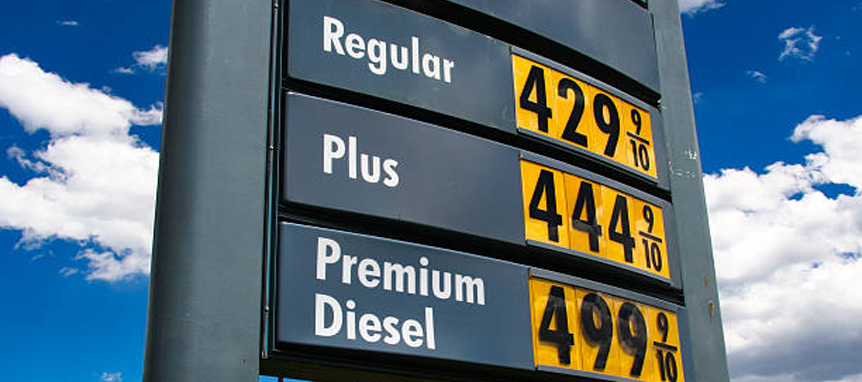
When fuel prices begin to rise, most people notice the impact at the gas station. For business owners, however, the effects extend far beyond the cost of filling a company vehicle. From shipping expenses and supplier pricing to service calls and inventory costs, rising fuel prices have a ripple effect that can quietly influence nearly every aspect of business operations.
Even companies that don’t rely on transportation as part of their core services often feel the financial impact through increased operating expenses and higher costs from vendors.
At J. Zollo & Associates, we understand how seemingly small economic changes can affect a business’s financial health. While fuel prices are outside of your control, understanding how they impact your bottom line can help you make informed financial decisions and better prepare for future fluctuations.
Fuel Costs Affect More Than Transportation
Fuel is a critical component of today’s economy. Nearly every product purchased by a business has been transported by truck, rail, ship, or air before reaching its destination.
As fuel prices increase, transportation companies often introduce fuel surcharges or raise shipping rates to offset their higher operating costs. Suppliers may also increase their pricing to account for the added expense of moving products and materials.
These increased costs eventually make their way to businesses—and ultimately, consumers.
Where Rising Fuel Costs Show Up in Your Business
Many business owners are surprised to learn just how many areas can be affected by higher fuel prices.
- Shipping and Delivery Costs
Businesses that receive inventory, office supplies, equipment, or other materials may begin seeing higher shipping charges or additional fuel surcharges on invoices.
For companies that regularly ship products to customers, these increased expenses can reduce profit margins if pricing is not adjusted accordingly.
- Vendor and Supplier Pricing
Even if a supplier doesn’t list a fuel surcharge separately, transportation expenses are often built into the cost of goods.
As vendors absorb higher fuel costs, many eventually increase prices to maintain profitability. This means businesses may pay more for everything from office supplies and packaging materials to equipment and inventory.
- Service-Based Businesses
Businesses that travel to client locations—including consultants, contractors, maintenance professionals, and sales representatives—often experience increased vehicle expenses.
Higher fuel costs can impact:
- Client visits
- Deliveries
- Service calls
- Business travel
These expenses can add up quickly, especially for companies with multiple employees on the road each day.
- Overall Operating Expenses
Fuel prices don’t just influence transportation—they contribute to the broader cost of doing business.
As shipping, manufacturing, and distribution become more expensive, businesses often experience increases across multiple expense categories. While each increase may seem modest on its own, together they can have a meaningful impact on cash flow and profitability.
Why Monitoring Expenses Matters
Economic conditions can change quickly, making it more important than ever to maintain accurate financial records.
Regularly reviewing your financial statements allows you to:
- Identify increasing expenses before they become major issues
- Monitor changes in profit margins
- Evaluate pricing strategies
- Adjust budgets as operating costs fluctuate
- Make proactive financial decisions rather than reactive ones
Having a clear understanding of where your money is going allows you to respond strategically instead of being caught off guard.
Preparing Your Business for Economic Changes
While businesses cannot control fuel prices or other economic factors, they can prepare for them.
Consider reviewing your expenses regularly, discussing pricing with vendors, evaluating operating costs, and maintaining realistic budgets that account for changing market conditions.
Small adjustments made early can help prevent larger financial challenges later.
Turning Challenges into Opportunities
Fuel prices may fluctuate, but their impact on business operations is often more significant than many owners realize. From higher shipping costs and supplier pricing to increased travel expenses and reduced profit margins, rising fuel costs can influence nearly every aspect of your business.
At J. Zollo & Associates, we believe that understanding your financial data is the first step toward making confident business decisions. By maintaining accurate bookkeeping, monitoring expense trends, and reviewing your financial reports regularly, you can better navigate economic changes and position your business for long-term success.
While you can’t control the price at the pump, you can control how prepared your business is to respond.