
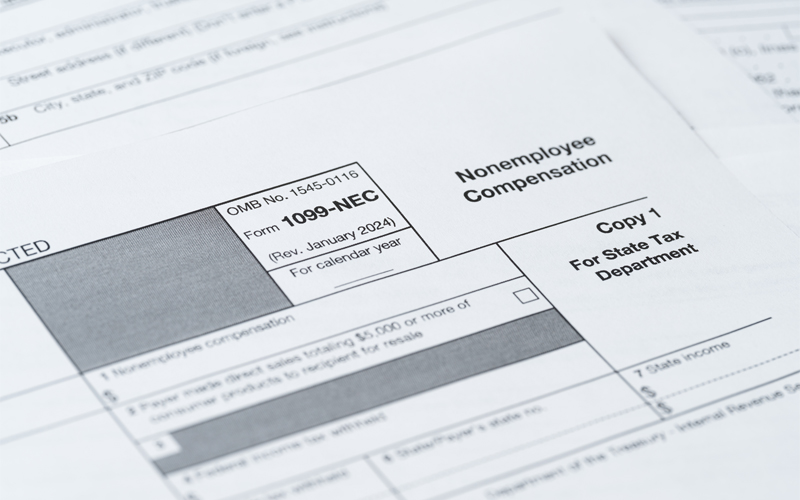
As the year draws to a close, many business owners find themselves shifting their attention from daily operations to year-end financial responsibilities. One of the most important—and often overlooked—tasks during this time is preparing and filing Form 1099 for vendors and contractors.
For small and growing businesses, 1099s are more than just paperwork. They are an essential component of compliance, transparency, and financial accuracy. Yet, every January, countless business owners scramble to gather vendor information, reconcile payments, and meet filing deadlines because their bookkeeping was left to the last minute.
At J. Zollo & Associates, we see firsthand how a proactive approach to bookkeeping transforms year-end from a stressful scramble into a simple, organized process. With the right preparation and consistency throughout the year, closing your books and meeting your 1099 obligations becomes routine rather than rushed.
Understanding the Importance of 1099 Compliance
The IRS requires businesses to issue Form 1099-NEC to any non-employee who was paid $600 or more during the year for services rendered. This includes independent contractors, freelancers, consultants, and even some landlords or unincorporated vendors.
But the 1099 process doesn’t start in January, it begins the moment you pay your first contractor. Gathering W-9 forms early, maintaining accurate payment records, and tracking vendor types are all part of responsible bookkeeping practices that keep your business compliant and audit-ready.
When this process is delayed or disorganized, businesses face a range of potential setbacks:
- Missed filing deadlines, which can lead to IRS penalties.
- Inaccurate reporting, resulting in discrepancies that may trigger audits.
- Cash flow confusion, caused by poor tracking of outgoing payments.
- Increased accounting costs, as bookkeepers must sort through months of unorganized records in a short timeframe.
By contrast, maintaining consistent bookkeeping habits throughout the year ensures that when 1099 season arrives, your records are clear, your vendors are properly categorized, and your filings are accurate and timely.
The Hidden Costs of Falling Behind on Your Books
Bookkeeping often falls to the bottom of the to-do list for busy entrepreneurs. It’s easy to assume you’ll “catch up later,” but neglecting your books doesn’t just create administrative headaches—it can also cost your business money and opportunities.
Here are a few ways businesses lose out when they don’t keep up with their bookkeeping year-round:
- Missed Tax Deductions
Without updated records, it’s easy to overlook legitimate business expenses such as mileage, subscriptions, software, or supplies. Missing these deductions means paying more in taxes than you owe.
- Inaccurate Financial Insights
Financial reports are only as good as the data behind them. If your books are outdated, you can’t rely on your reports to make informed decisions about hiring, budgeting, or growth opportunities.
- Poor Cash Flow Management
Cash flow is the lifeblood of any business. When your records are incomplete, you lose visibility into how money moves in and out of your business, making it difficult to anticipate shortages or plan for future investments.
- Stress During Tax Season
When bookkeeping is left until year-end, what could have been a manageable process turns into a frantic rush to find receipts, reconcile accounts, and meet filing deadlines. This not only increases your workload but can lead to errors that affect your bottom line.
- Missed Strategic Opportunities
With up-to-date books, you can confidently plan for growth, apply for funding, or make major business decisions. When your finances are unclear, those opportunities often slip away because you don’t have the data to support them.
How Consistent Bookkeeping Makes 1099 Season Simple
When you maintain your books consistently, preparing 1099s becomes straightforward and efficient. Your bookkeeper already has everything they need—vendor records, categorized payments, and reconciled accounts—ready for year-end review.
A proactive bookkeeping routine should include:
- Collecting W-9 forms before paying new vendors or contractors.
- Reconciling accounts monthly to ensure accuracy.
- Tracking vendor payments and identifying who qualifies for 1099s.
- Reviewing accounts payable reports each quarter to stay organized.
- Scheduling a year-end review with your bookkeeper before the holiday season begins.
By implementing these habits, your business stays prepared—not just for 1099s, but for taxes, audits, and financial decision-making year-round.
Partnering with Professionals for Peace of Mind
At J. Zollo & Associates, we believe bookkeeping shouldn’t be something you dread. Our team works closely with business owners to build clear, consistent systems that keep finances organized and transparent from January through December.
We assist clients in:
- Preparing and filing 1099’s on time.
- Reconciling bank and credit card accounts to ensure complete records.
- Forecasting future cash flow to anticipate upcoming needs.
- Implementing QuickBooks Online for simplified management and accessibility.
By partnering with an experienced bookkeeping team, you can spend less time chasing paperwork and more time focusing on the growth and success of your business.
Looking Ahead: Finish the Year Strong
As the calendar year winds down, now is the perfect time to review your books, gather vendor details, and schedule your end-of-year financial check-in. Doing so ensures that when January arrives, you’re ready to file your 1099s confidently and accurately—without the stress.
Staying ahead on bookkeeping isn’t just about compliance; it’s about clarity, control, and confidence in your business’s financial health. When you keep your records current, you gain the insight to make better decisions and the peace of mind that comes from knowing your finances are in order.
At J. Zollo & Associates, we’re here to guide you every step of the way—through 1099 season, tax time, and beyond.